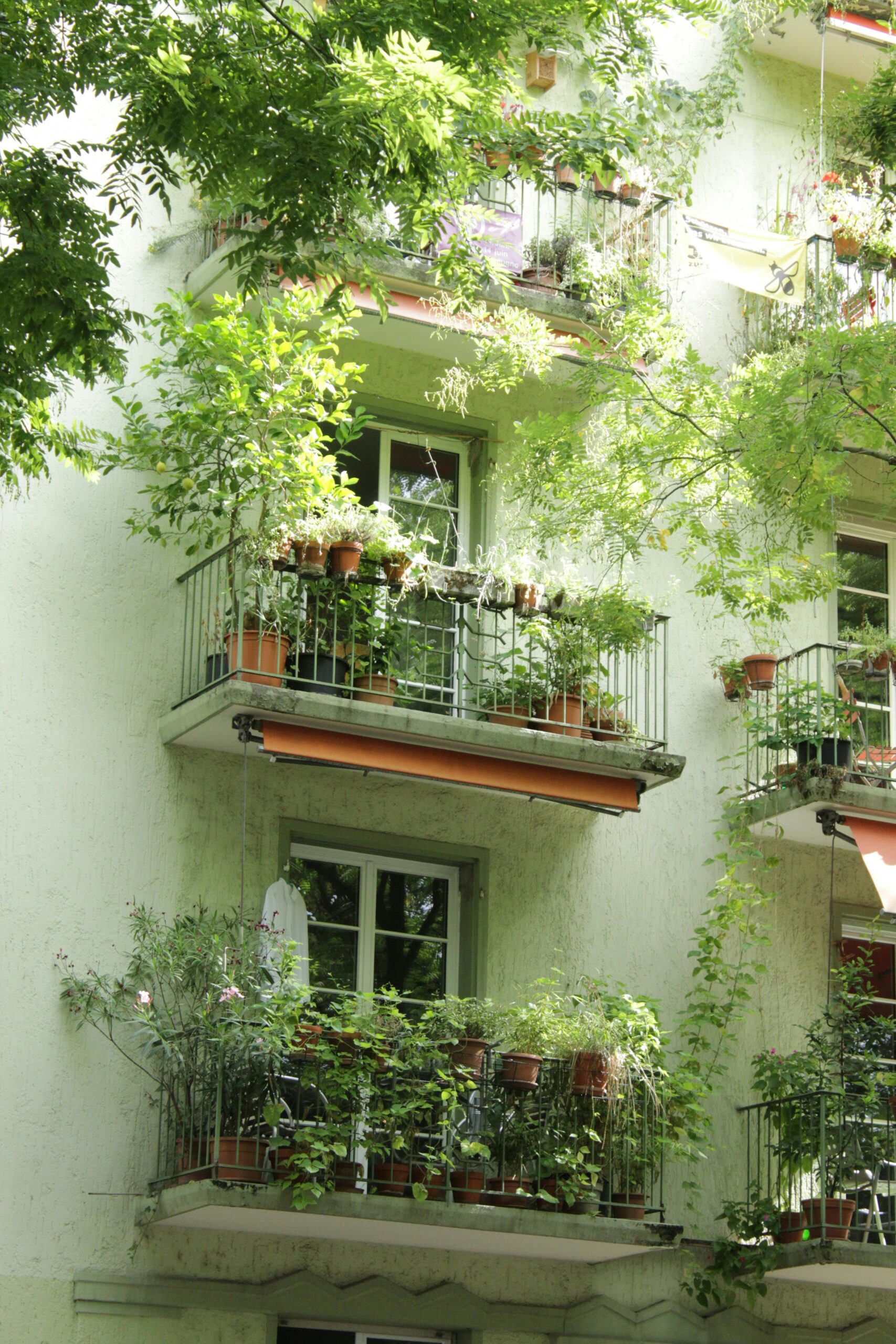
A vibrant, lush balcony garden can be a wonderful way to bring nature right into your city living space. The right combination of plants can turn any balcony, no matter how large or small it is, into a lush green oasis. This blog will discuss the various factors that you should consider when creating a balcony garden. We’ll also explore the best balcony planters and planter materials for your space.
Factors To Consider When Planning A Balcony Garden:
Space constraints: Consider the size of your balcony before choosing plants and planters. Vertical gardening is a great solution for small spaces, but larger balconies can accommodate different plant sizes and sculptural elements, such as a Buddha fountain or Zen garden.
Sunlight exposure: Be aware of the conditions in which your balcony receives sunlight. Some plants prefer full sun, while others like shade. Knowing the amount of sunlight in your area will help you select the best plants. Plants such as bougainvillaea, plumeria and olive trees love the sun. Please place them in areas where they get full sunshine. Plants like Boston fern, philodendron Red Congo, Draco, and Fiddle Fig thrive in areas that get morning sun.
Climate Conditions and Weather: When selecting plants, consider the local weather and climate conditions. Certain plants thrive in certain climates, and selecting plants that are suited to the local conditions is key to a flourishing balcony garden.
The Best Balcony Pots to Fit Your Space:
Large Planters: The FRP planters make a great choice for balcony gardens. FRP planters are available in a variety of sizes and designs. They’re lightweight, durable and resistant to the weather. These planters are ideal for making a statement or housing large plants.
GRC Planters: This is an alternative if you prefer the raw finish of concrete but don’t like the weight. GRC Planters are ideal for balconies because they have a raw finish and are lightweight.
Terracotta Pots: Terracotta pots are timeless and offer excellent airflow for plants. They can be heavy, and in extreme weather, they may need to be insulated.
Planters in Metal: Metal plants are modern and sleek, adding sophistication to any balcony. The metal planters are sturdy, but they can heat up when exposed to direct sunlight. They will rust if they are exposed to water regularly.
Timber: Wooden pots and planters add a rustic, natural charm to any balcony. They are aesthetically pleasing but require sealing to resist weather conditions. Wooden planters should not be used in areas that receive full sun or rain.
Plastic planters: Available in a variety of colours and designs, plastic planters are lightweight and affordable. They are also easy to transport, but they may not last as long as those made of other materials.
Additions to the Balcony Garden:
Add these elements to your balcony garden to enhance the ambience.
Outdoor furniture: Use weather-resistant outdoor furnishings to create an inviting seating area. The right furniture, whether a compact lounge chair or a bistro set, can add comfort and style.
Fountains—Add a touch of tranquillity to your home with a fountain. The sound of water flowing can transform your balcony into a tranquil retreat.
Sculptures: Use sculptures to incorporate artistic elements into your balcony. Select pieces that reflect your style and complement the greenery.
Zen Gardens: Cultivate serenity by creating a mini Zen garden. Arrange miniature accessories, pebbles and sand to create a peaceful, meditative environment.
Conclusion
To transform your balcony into an oasis of greenery, you need to plan carefully and choose the right plants and planters. We offer a wide range of large FRP planters, balcony pots and garden pots. Explore our collection and start your journey to creating a balcony that reflects you. Do not forget to add other elements to your garden, such as outdoor furniture, sculptures and Zen gardens. Happy gardening!



Leave a Reply