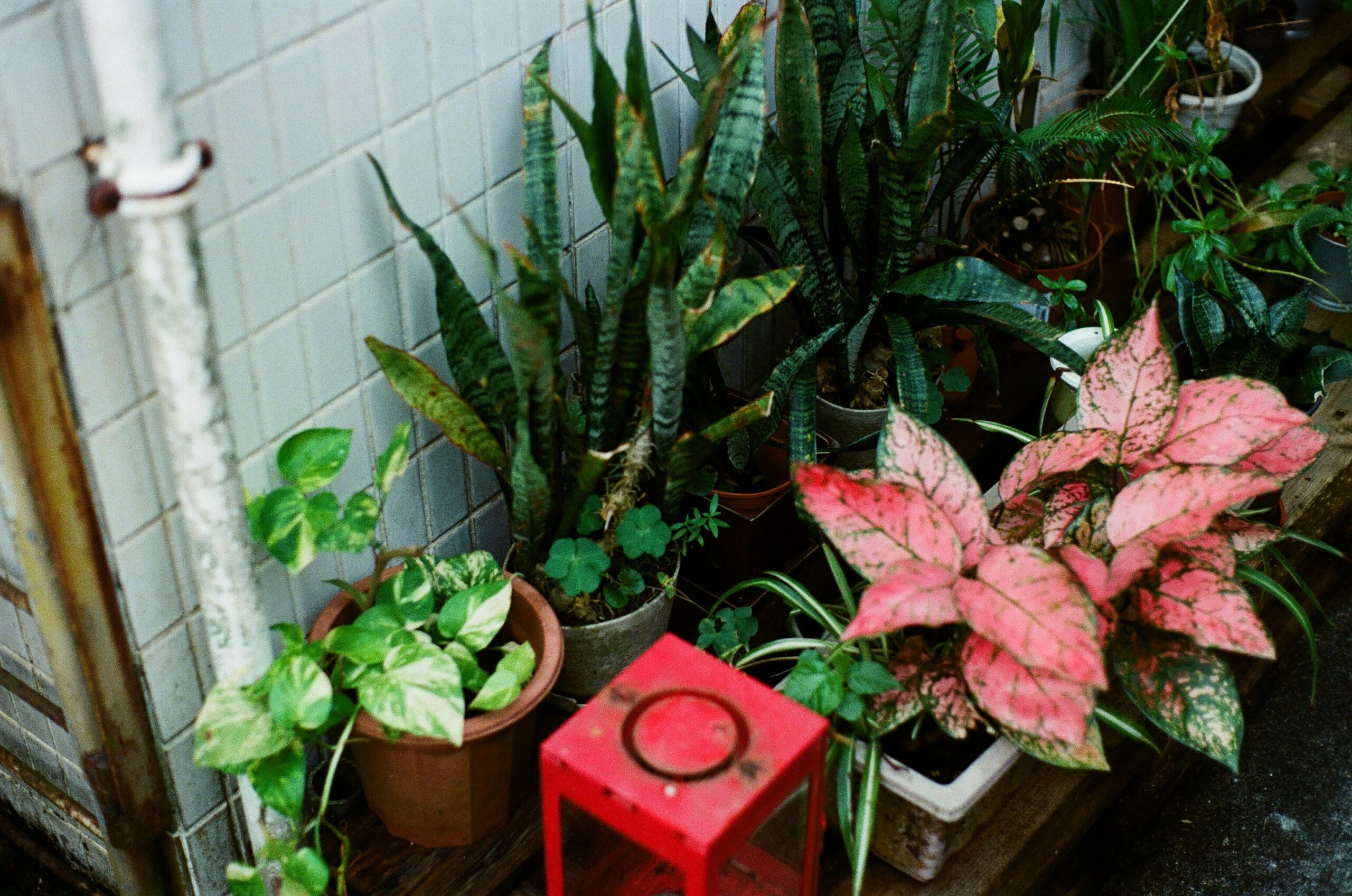
A live plant can make a bathroom feel like a spa. But if it’s not suited for a high-humidity environment, the plant won’t last long. Before bringing home any new plant babies, it is important to think about their new environment.
We asked the experts at Greenery NYC and The Sill in NYC for their top picks of high-humidity houseplants. These are the best varieties for thriving in low light and shower mist.
Bird’s Nest Fern
The experts agree that a bird’s nest is the perfect plant for the bathroom. Erin, a plant expert from The Sill, says that the bird’s nest fern is native to Southeast Asia and Polynesia. It loves the extra moisture provided by a bathroom. It rewards high humidity by promoting big growth and less browning of the edges of the leaves over time, explains Rebecca Bullene, founder of Greenery NYC.
Bonus: While many ferns like bright, direct sunlight, the bird’s-nest fern is tolerant of low light. This makes it a great choice for bathrooms that aren’t flooded with sun.
Staghorn Fern
Erin, from The Sill, says that the staghorn is another of her favourite things. “Like the bird’s nest fern, it loves the humidity provided by a bathroom.” This variety prefers more light, so it’s best to keep it in a brighter powder room.
The staghorn fern is an epiphyte, which means that it lives on trees and not in soil. You can mount it on wood to hang on a wall in the bathroom or place it in a container on the window sill.
Boston Fern
It loves humidity and would probably enjoy hanging in your shower or sitting atop a data-component=”link” data-ordinal=”1″ data-source=”inlineLink” It is a humidity lover. It would be happy hanging in the shower or on a stand near your bathtub.
This classic houseplant is easy to maintain since it does not require much sunlight. Temperature extremes are its pet peeve, so don’t place it near air conditioners or heater vents.
Alocasia
Alocasia thrives in bathrooms with large, sunny windows. However, it should not be placed too close to the window, as its leaves can get sunburned.
Pothos
Experts agree that Pothos can thrive in almost any space. Erin from The Sill says this is why the plant is sometimes called a “cubicle plant.”
It will tolerate the humidity in a bathroom even though it does not need it. It can also survive low light levels and irregular irrigation. It grows quickly and becomes a vine. Hang it from your shower curtain rod or place it on a shelf.
Air Plants
They thrive in humid environments, so they are perfect for a steamy bath. The Sill experts say that they do best with bright indirect light. If you have a large sunny window in your bathroom, then these are the plants for you.
Aloe
Aloe does not need to be moisturised, but its benefits and natural beauty make it a great addition to the bathroom. The Sill experts explain that the gooey inner leaves of aloe plants can be used for a variety of purposes, including soothing skin, healing minor wounds, reducing itching, and much more.
Aloe can be used as a medicinal plant. To do so, cut off the mature leaf from the base and squeeze the gel out. Apply it directly to the skin. Plants like bright, direct sunlight, so place them near windows.
Calathea
Calatheas can be used in most bathrooms. They tolerate indirect light and respond well to moisture. Calatheas will add a splash of colour and elegance to the bathroom.
Calathea Freddie is a great option if your bathroom does not get a lot of natural light.
Croton petra
Croton petra, known for its vibrant leaves, is native to Southeast Asia and Southern India. It thrives in a humid, hot climate. Goldilocks is a popular name for this houseplant because it doesn’t like it too hot, too cold, too dry, or too wet.
Croton Petras need four to six bright, indirect hours of sunlight, or their colors will become dull. If you give it plenty of room and repot it every two years, it can reach six feet in height.
Snake Plant
Sansevierias is the opposite of Goldilocks plants. It doesn’t matter if you give it low or high humidity or lots or little light. The most common complaint of this plant is that it receives too much attention, usually in the form of overwatering. It is sufficient to water your plants every two or three weeks.
Its growth pattern makes it a good choice for the bathroom. In Feng Shui, the strong upright shape of a snake plant brings positive energy into a room. Snake plants are also more likely to fit into a small bathroom because they don’t require much space on the sides.
English Ivy
The cottagey look of English ivy will enhance any room. It prefers bright indirect light and medium to high humidity. It would be great to have it in a bathroom right next to a window. This will give you some privacy and make the room feel more spacious. You can also hang it from a shelf high up, as long as the pot is not too high.
African Violet
It is a small bloomer that adds colour and life to a small bathroom. However, it can be a bit finicky. It likes humidity and constantly moist soil, so it will do well in a place where it gets regular care. Make sure water does not touch the leaves, or they will turn brown.
African violets thrive in bright, but not direct, sunlight. Install a fluorescent lamp 12 to 15 inches over the leaves in a bathroom without windows. Set it on a timer and experiment. The leaves will turn light green if there is too much light. A plant with thin, dark green leaves and a leggy appearance means that there is too little light.
Peace Lily
Peace lilies bloom in the spring and are a popular Easter gift (not to be confused with Easter Lily). Their association with healing, hope, and purity makes them ideal plants for those who have lost a loved one.
Peace lilies are a beautiful plant that thrives in humid environments. They require only one weekly watering and can tolerate low light. A bathroom in need of serenity would be a great place to put them. Be aware that it is toxic to both pets and humans.
Bamboo
Have you ever noticed how many spas have bamboo plants as decor? No wonder. They are available in all sizes and can be used to break up an all-white, stark space.
Bamboo plants are a great way to create a spa atmosphere in your bathroom. They are low maintenance, love humidity, and can tolerate low lighting—all the things we look for in bathroom plants!
Orchid
Orchids are known to be difficult to maintain, but they can thrive in a bathroom that is humid and warm (aren’t all bathrooms like this?) If your bathroom is warm and humid (aren’t they all?), then you are already halfway there to find the perfect place for an orchid. Avoid placing your orchid in a place where it will be exposed to cold drafts, direct sunlight or dry air coming from heating vents.
Many orchid parents make the mistake of providing poor soil and inadequate watering. You can buy or make your specific orchid-growing medium for these colourful, exotic divas. Watering is usually done twice a week during the summer and once a week in the winter.



Leave a Reply