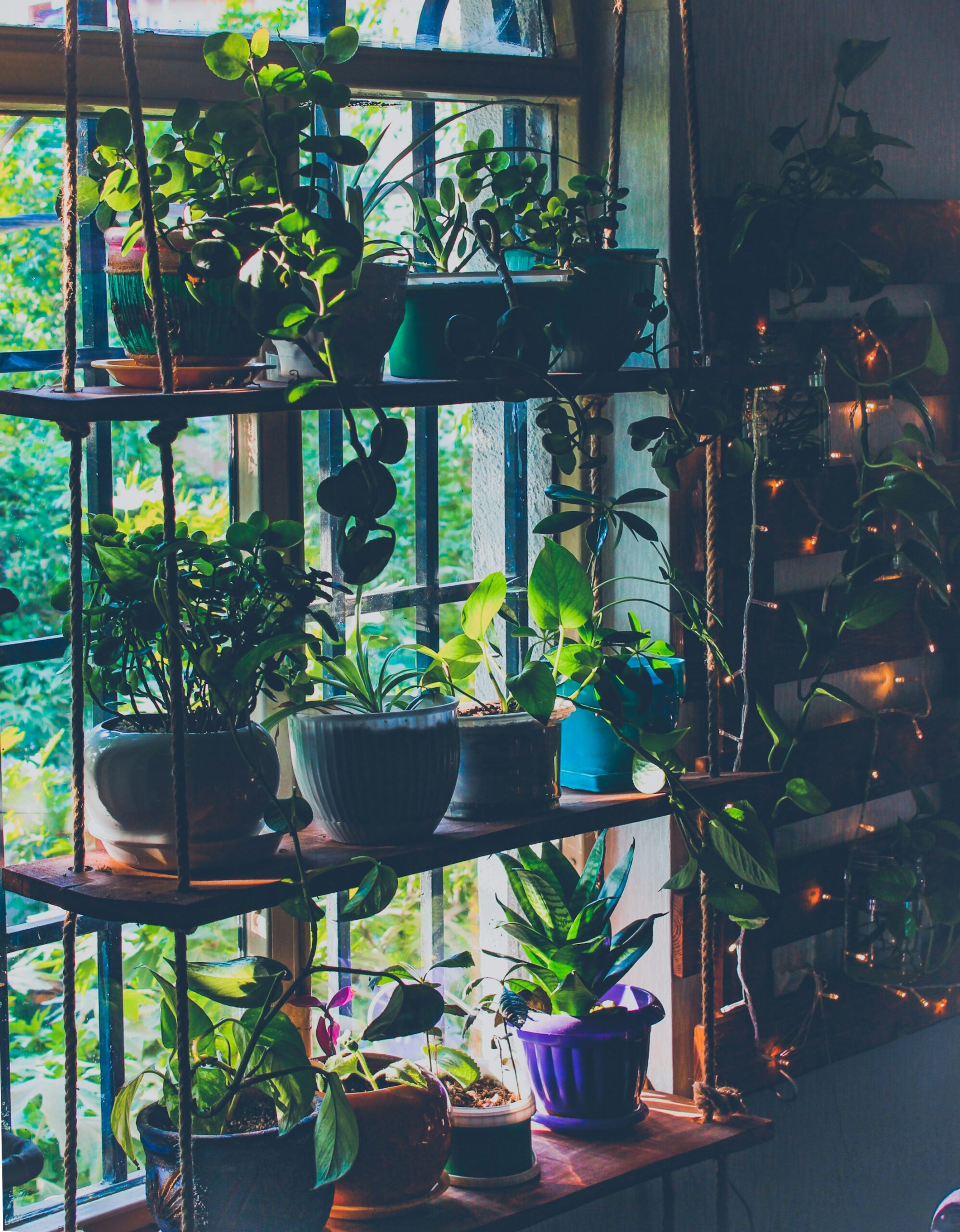
Now that you’ve chosen the right site and soil, it’s time to start the fun part: planting! Making a garden plan involves deciding which plants to grow and how you’ll fit them into your space.
All of them
You can greatly benefit from the previous lessons. Knowing how much sunlight your yard gets each day, which climate zone you are in, and knowing when to plant will help you tremendously.
Ornamental or edible? Perennials or annuals?
Plants are generally classified as ornate (such as grasses and flowers, which are often called patio plants) or edible (such as vegetables and herbs). Then, they’re divided into annual and perennial.
You can choose between edibles and ornamentals. However, for both aesthetics and ease of maintenance, your garden must have a good mix of annuals and perennials.
Annuals such as zinnias or petunias are colourful all year long, but they die when the first frost comes. Perennials, like peonies and daylilies, bloom much more quickly but add a splash of vibrant colour to the garden after the annuals fade. Since you won’t need to replace them every year, they are more cost-effective and save time. You can continue to enjoy a continuous display of flowers and foliage in your garden even after the annuals are gone. By strategically placing perennials that have varying blooming times, you will be able to keep them going for longer.
Perennials and annuals are both edible. Perennials (such as artichokes and asparagus) can help offset the sparseness at the beginning and the end of a season. You can harvest perennial herbs and vegetables while you wait for the annual crops to mature.
You can also interplant some edibles into your ornamental garden and vice versa. Many herbs, berries and vegetables are beautiful landscaping plants. They also taste great. Strawberries are beautiful border plants. The fragrant, attractive flowering basil bush is also beneficial for pollinators. If you are having trouble choosing, try colourful and unusual varieties of kale and cabbage. Carnations, pansies and borage are edible flowers that offer the best of both.
If you have edible plants like squash that require pollination, you’ll want to make sure that there is a source of nectar nearby. Ornamental flowers are useful and beautiful.
Evaluation of Plants Based on Growth Habits
What size will your plants grow to? How do they grow — upright, mounding or spreading?
Size is important, especially with perennial shrubs and trees. You may not think that the small plant you brought home from the nursery can eventually take over your window or your driveway. But it will happen if your plan isn’t well thought out. You can prune your plant to keep it in check, but why complicate things when you could choose a plant more suited to the space available?
Planting a garden to suit your lifestyle
You should choose plants that complement your lifestyle. This could be time, attention or personality. You don’t want to have a garden that demands your full attention on weekends if you work 60-hour weeks. If you enjoy relaxing outside or working from home, you may be able to handle a garden that requires more maintenance.



Leave a Reply