You can plant so many different flowers before the cold temperatures subside (below 35° Fahrenheit at night). I create at least half a dozen containers. This cheers me up after the long, cold winter here in the mid-Atlantic region. After hanging up my winter coat and wearing a lightweight fleece, I’m ready to plant.
Continue Containers with Cool-Season Flowers for more information about containers in early Spring.
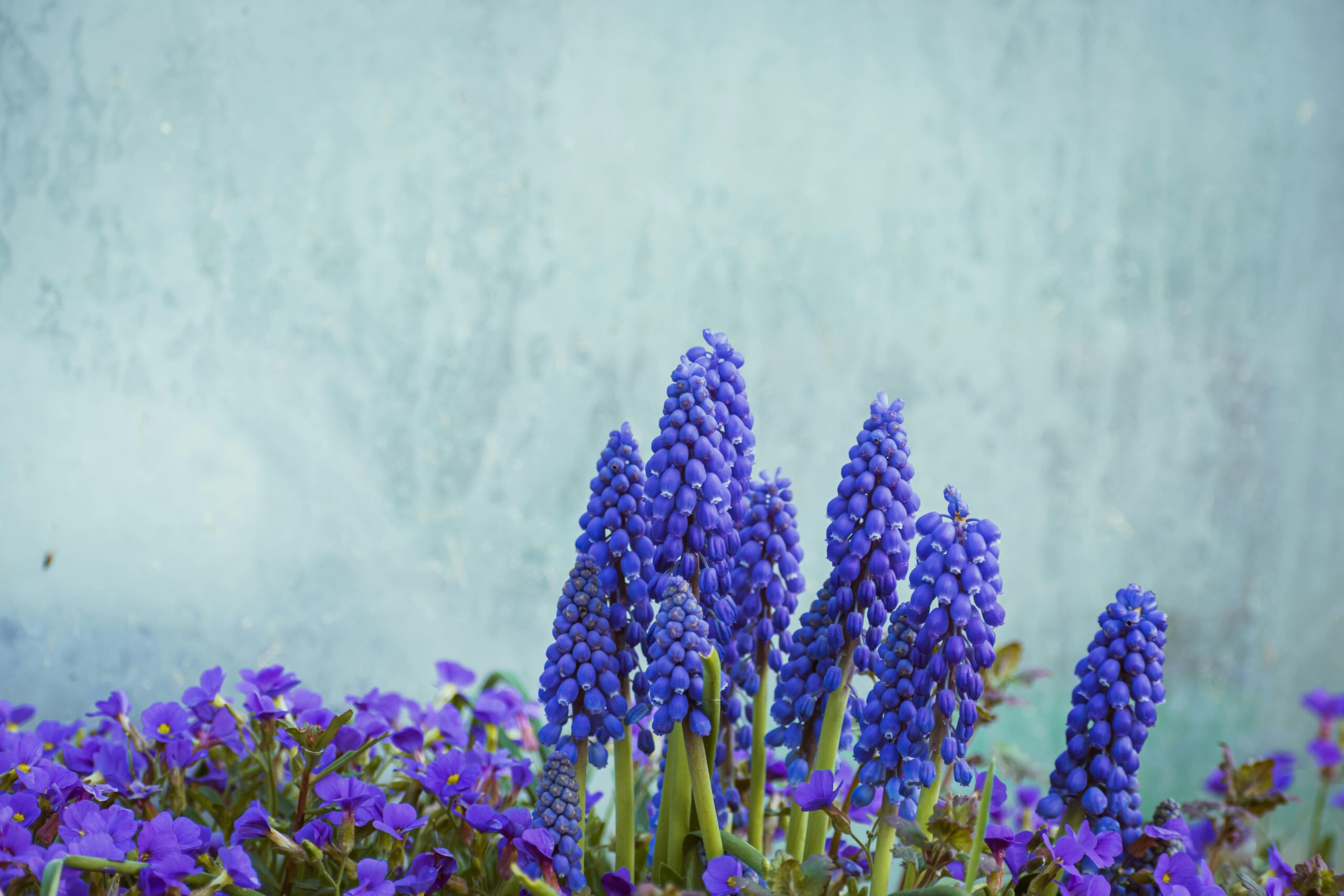
Grape Hyacinths, Nemesia, and Alyssum are added for some colour. I also said Sedum, Primrose, and an old pitchfork.
Pansies and Violas have a wide range of colours. Curly parsley is also used here.
In the flower industry, hardy annuals are known as “cool” flowers. These plants can withstand cold temperatures and prefer them. These annuals are prone to dying from the heat when the weather warms up in early summer.
I grow anemones in a low tunnel over the winter, and then cut them as fresh flowers or plants early in the Spring.
I love to plant in containers all year round. After removing the Christmas greens in mid-March, I plant colourful annuals. These flowers can survive and thrive even in cold weather. The stalwarts for cool-weather flowers are pansies and violas, but you can also try other varieties.
Yellow Poppies, Blue Woodland Phlox, Pink English Daisies and Viola ‘Purple Picotee
Tulips are best started in a low tunnel, cold frame or container in the winter.
Protection
In April of one year, I experienced a severe cold snap, with nighttime temperatures dropping to around 29 degrees Fahrenheit. My containers sailed right through after I put a frost cover over them. These covers can raise the temperature by 2-8 degrees Fahrenheit, depending on their weight. The heavier the cover, the higher the price.
When temperatures drop below 32 degrees, it’s time to wear a frost cover
Early spring wheelbarrow plantation
Spring or Autumn
They are cold-tolerant annuals. This is what separates them from heat-loving annuals like zinnias and cosmos. They can handle a mild freeze and are good for planting in early fall. They will die if the freeze is sustained. The roots of hardy annuals will fare better in the soil than in a pot, as the larger amount of soil will provide better insulation.
When I first purchased my annuals, I put them in a coldframe to help them get used to the outdoor environment.
Planting pansies around bulbs is a good way to edge them.
Hardening Off
Plants that are accustomed to colder temperatures will be more resilient than those that have to deal with it suddenly. Don’t take plants from a greenhouse, and put them outdoors without hardening. It’s simply a process of acclimatising the plants to cooler temperatures. For at least one week, place your plants in a garage or shelter that is not heated.
Violas are smaller and have more flowers than Pansies.
Best Cold-Tolerant Annuals
I constantly test the limits of my annuals’ cold tolerance. I do lose some plants along the way. Senetti, for example, which was marketed as a winter-loving annual, succumbed quickly to a light frost. Petunias are also a good choice. To my surprise, they are quite hardy. Angel Wings (Senecio Candicans) has also sailed through hard frosts without losing its appearance. Here’s my list of the most popular cold-tolerant annuals.
This list does not include all the annuals that grow well in cool temperatures. However, it consists of a wide variety of easy-to-grow and colourful flowers. Walter Reeves has a handy chart on both flowers and vegetables to help you determine the best time to plant. I use AI to find out the lowest temperature each flower can tolerate. It has been very accurate.
Love in the Mist describes these blue jewels that are held in a mist of green foliage. They sprout in the fall and remain green throughout the winter.
Annual poppies are one of my favourite cold-hardy plants. In the fall, I either winter sow in containers or seed them directly in the ground. As soon as the temperatures warm up, they will start to grow. They bloom in April and continue to do so until June.
When To Sow Outdoors
As soon as soil can be “worked”, late winter is the best time to plant your Cool-Season Annuals. This is gardening jargon to describe soil that has a texture between mud and frozen. After I determined that the soil was ready, by raking it through, I collected my cool-season annual seeds, plant stakes, a Sharpie to mark them, and my multi-bladed seed rake. Poppies, Bells of Ireland (also known as Love-in-the-Mist), Cerinthe and Calendula were on the menu. It was late February in Zone 7, Maryland.
Cool-Season Annuals are different from the annuals you plant after frost has passed. The seeds require cold temperatures to germinate and cool temperatures to thrive in the garden. They fade when the heat hits, and I remove them to make room for annuals, which thrive in hot weather. In the early spring temperatures, poppies grow easily. I plant a lot of them.
Cool-season annuals, which are old-fashioned flowers you might find in an English cottage garden, grow quickly in cool temperatures in late winter and early Spring. These flowers grow fast and are frost-tolerant. They will bring you colour after a long winter. If you’re looking to grow cold-hardy edibles such as brassicas, visit Pegplant. She has a great blog about gardening.
The seed head of ‘Love in the Mist’catching raindrops
The only preparation required is to rake the soil with a sowing rake. To spread the seeds more evenly, I add fine seeds such as poppies to the sand. After that, I rake the soil down firmly without adding any more soil. I sprinkle the surface of the soil with straw or leaves to keep it moist. This will also help hide the seeds from birds. I mist a little water on the top of the soil and then wait.
Sand is a good medium for adding fine seeds. The seeds will spread evenly, and the sand will also mark where you have planted them.
The meadow that has been sown with cornflowers and larkspur seeds in the winter is now bursting forth.
Ranunculus, a flower of the early season, is created from a corm.
If we are experiencing a dry period, it is important to quickly pop up through the leaf litter and sprinkle with water. It’s time to let the colours show! These early blooms can be used to make beautiful arrangements for the home.



Leave a Reply